Case study
ForgeFrontier
A strategy game that works around real life: solo, around one screen, or turn by turn with friends.
Playable · Game systems · Realtime · 3D · Postgres
Play Frontier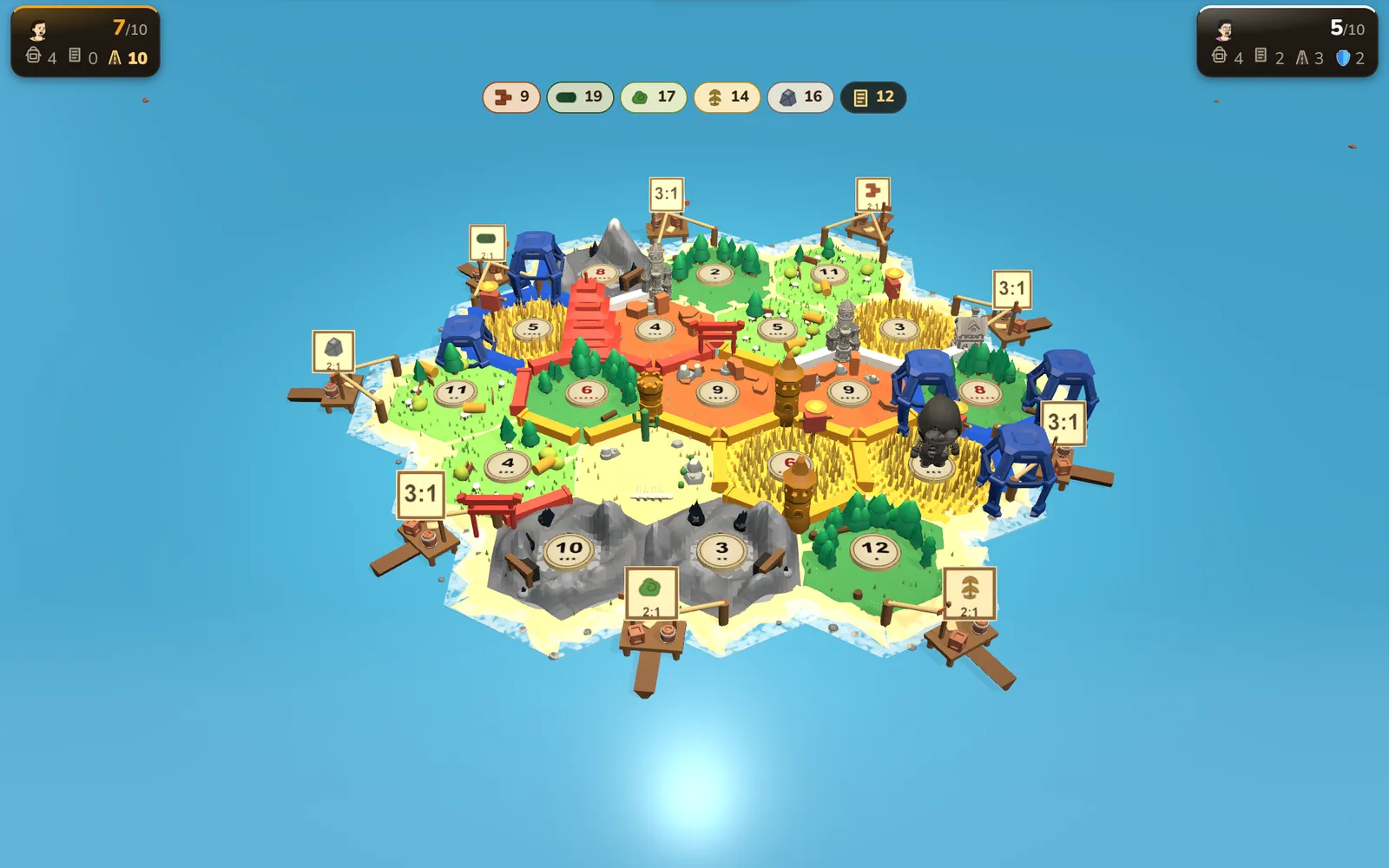
01
The problem
A multiplayer game should still be useful when friends cannot all be online together. The same rules need to support solo practice, a shared device and asynchronous online rooms, without making a phone carry an expensive 3D scene.
02
The studio’s role
An independent Bywater product spanning the game rules, bot opponents, browser interface, 2D and 3D presentation, persisted rooms and deployment. It was extracted from the studio’s daily-puzzle hub so the game could evolve and deploy independently.
03
AI-assisted engineering
The studio uses AI coding agents within repository instructions, isolated branches and human review. For Frontier, those instructions record failures and pin the behaviours that must survive a change: database migrations, authentication redirects and deployment verification. AI-produced changes still need evidence; an agent’s completion message is not a release check.
04
Decisions that matter
A lightweight 2D board complements the three.js board rather than making one graphics setting serve every device. Bots fill empty seats; persistent rooms and optional turn notifications support games over hours or days. Sign-in and online features are environment-gated, while solo and pass-and-play can run without accounts. A staged deployment gate separates building from assigning the production domains.
05
What exists
The public play page responded successfully when checked on 25 October 2026. Existing screenshots show the board, trading and mobile interface. The repository documents engine, bot and save/load tests; this site review did not rerun that separate project’s suite or independently exercise every online feature.
06
Honest limits
Online persistence, authentication and push notifications depend on configured services. A working play page does not prove every account, payment or device flow. No player-count, revenue or retention result is claimed here.
Source documentation and existing assets reviewed 25 October 2026. Source review is separate from running the project’s tests or verifying every integration.